Trending in the US

Advertorial

UPDATE: AccuaBoost is Selling faster than expected! Lock in your order now to get up to 40% Off + Free 2-4 Day Shipping in USA 

I Lost 31 Pounds on Retatrutide and Felt Completely Broken the Entire Time Until I Finally Understood Why

You're losing the weight. The peptide is working. So why do you feel absolutely terrible? This is the part of the retatrutide protocol nobody hands you a manual for.

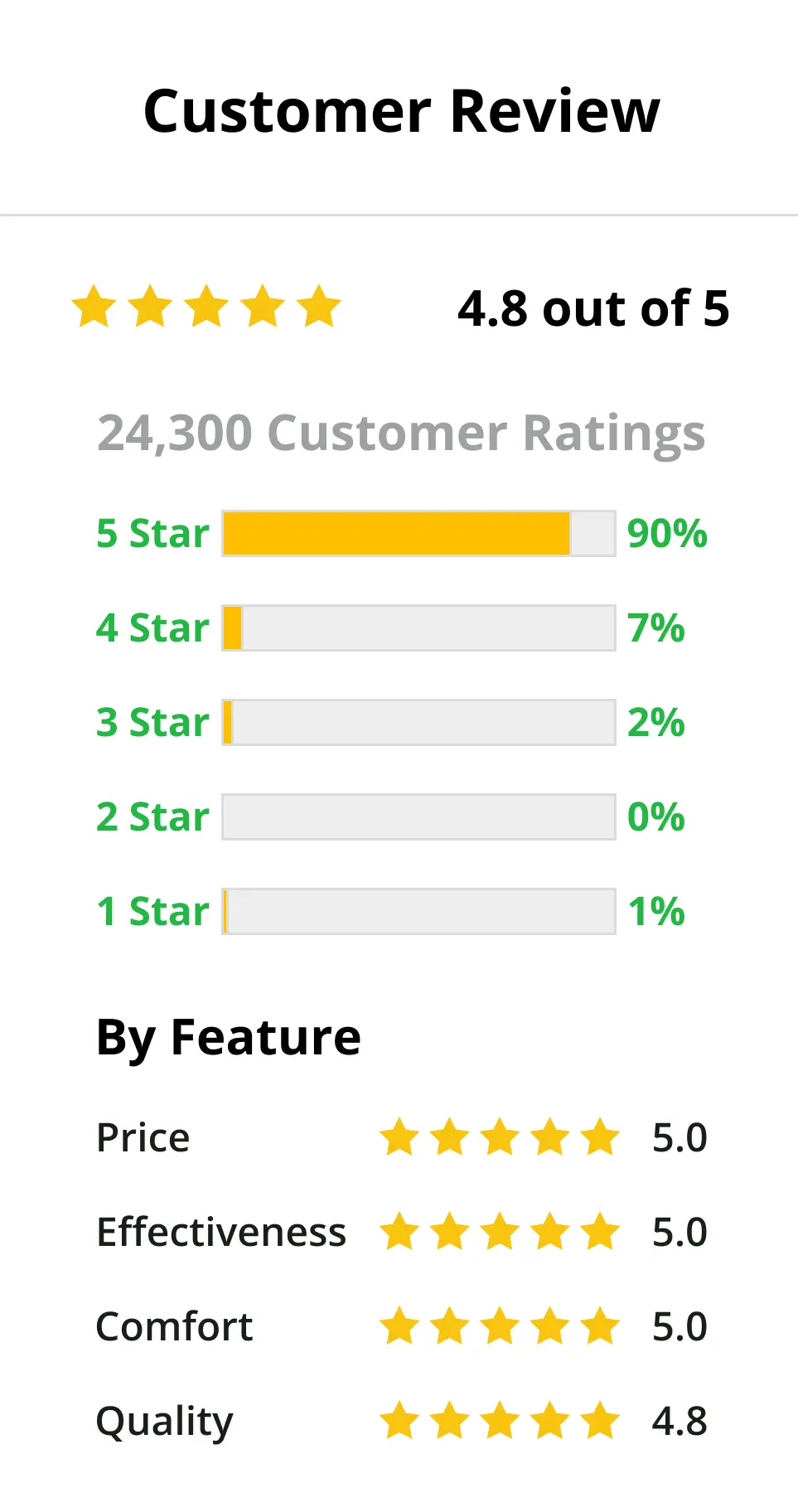
3,791 Ratings

Daniel Morgan -   Hyrox Coach

Elite US hyrox coach· 11 years as Fitness coach

Daniel Morgan -   Hyrox Coach

Elite US hyrox coach· 11 years as Fitness coach

My name is Daniel. I'm 38 years old, I live in Miami, and I've been in the health and biohacking space seriously for most of my adult life.


I started retatrutide eleven months ago. I'd done my homework. Read every study I could find, joined three private coaching programs, consulted with a sports medicine physician who was familiar with the compound. I knew what I was getting into.


The results were real. Inside the first three months I lost 34 pounds. My fasting glucose dropped. My inflammation markers improved. The appetite suppression was unlike anything I'd experienced with food-based interventions.


By every objective measure, the protocol was working exactly as intended. And I felt genuinely terrible.

Not in the dramatic ways. I wasn't hospitalized. I wasn't in crisis. I was just... running at a fraction of my capacity, every single day, for months. And I couldn't figure out why.

The Peptide Is Working. Now Give Your Body What It Needs to Keep Up.

Get Your Electrolytes  Now

I Looked Like the Protocol Was Working. On the Inside, Something Was Wrong.

I want to be specific about what I mean by terrible, because it's easy to dismiss this kind of thing as adjustment period symptoms or the natural discomfort of significant metabolic change.

This was different.


The fatigue wasn't sleepiness. I was sleeping eight hours. I'd wake up rested and within two hours feel like I'd been awake for thirty. Not a gradual fade, a hard stop. Like a car running out of gas mid-highway.


The brain fog affected my work in ways that scared me. I run a small real estate investment business. I need to think clearly, do math quickly, read people, make judgment calls under pressure. For months I was operating at maybe 60% of my normal cognitive capacity and hoping nobody noticed.


The leg cramps were waking me up three, sometimes four nights a week. Calves, feet, occasionally hands. Not normal muscle soreness. Involuntary, painful contractions that wouldn't release for minutes.

And underneath everything was this persistent low-grade nausea that I kept waiting to resolve. 


The acute nausea from weeks one through four faded. But a background unease, a vague sense that my digestive system was never quite settled,  lingered the entire time.


I was drinking water constantly. Two to three liters a day, minimum. I was eating high protein. I was lifting. I was doing everything the protocol required.


None of it moved the needle on how I felt.


That was the part that made no sense.

The Wake-Up Call That Happened in a Reddit Forum at 1 AM

It was a Tuesday. I was awake because a leg cramp had pulled me out of sleep at midnight and I couldn't get back down. I was sitting at my kitchen island, frustrated, and I opened one of the peptide forums on my phone.


I typed out everything I was experiencing. Not looking for a diagnosis, just venting to people who would understand the context.


Fourteen responses came in over the next hour. Twelve of them said some version of the same thing:

"You're mineral depleted. It's the protocol. It happens to almost everyone and nobody explains it."


One guy, Rick, who'd been on semaglutide for two years before switching to retatrutide, sent me a long private message that stopped me cold.


He said: "The fatigue, the fog, the cramps, none of that is a side effect of the peptide in the way you're thinking about it. The peptide is depleting your electrolytes faster than you can replace them.


And your cells are dehydrated in a way that drinking water literally cannot fix. I know that sounds backwards. But stay with me."


I stayed with him.

What Retatrutide Is Actually Doing to Your Cells That Your Doctor's Pamphlet Left Out

Here's what Rick explained, and what I later confirmed through my own research and a follow-up conversation with my physician.


Retatrutide works through three receptor pathways simultaneously: GLP-1, GIP, and glucagon. That triple agonism is why it outperforms earlier generation peptides in fat loss. But those same mechanisms create a cascade of physiological effects that go well beyond appetite suppression.


First: you eat significantly less. Which means you consume dramatically fewer electrolytes through food, sodium, potassium, magnesium, and the 60+ trace minerals that your cells use as gatekeepers for fluid balance. Most people cut their food intake by 40 to 60 percent on retatrutide. Their mineral intake drops by the same proportion. Nobody tells them to compensate for this.


Second: GLP-1 receptor activation directly affects kidney tubule function. Your kidneys begin excreting sodium at an accelerated rate, a well-documented effect of GLP-1 drugs that's been observed in clinical trials. You're not just eating less sodium. You're losing what you have faster than normal.


Third: if you're experiencing any GI symptoms, and most retatrutide users are, at least intermittently, nausea, loose stools, accelerated gastric emptying, every episode is an electrolyte flush. Your body is losing sodium, potassium, and magnesium through your digestive tract and not replacing them.

These three mechanisms compound each other. The depletion is not gradual. It accelerates over weeks as the deficit grows.


And here is the critical part that almost no one explains:


Without adequate electrolytes, specifically sodium, potassium, and magnesium, water cannot cross the cell membrane. These minerals create the osmotic pressure gradient that pulls water through the membrane and into the cell. Without them, water circulates in your bloodstream and sits in surrounding tissue. It never reaches your mitochondria.


So you drink two or three liters a day. The water moves through your system. And your cells,  your mitochondria, your neurons, your muscle fibers, stay dehydrated.


That cellular dehydration is the source of the fatigue. The fog. The cramps. The flatness. Your mitochondria are running without the water and minerals they need to produce ATP. Your neurons are misfiring. Your muscles are contracting without the magnesium they need to release properly.


And it gets worse over time, not better, because of what chronic cellular dehydration does to the mitochondria themselves.

The Part Nobody in the Peptide Community Is Talking About

When your cells are chronically dehydrated and your mitochondria are running under-resourced, they generate excess reactive oxygen species, free radicals, as a byproduct of energy metabolism.


In normal amounts, free radicals are part of healthy cellular signaling. But under chronic oxidative stress, which is what sustained cellular dehydration causes, those free radicals begin damaging the mitochondria themselves. Mitochondrial DNA, the membrane, the electron transport chain.


The damage accumulates quietly over weeks and months. And it's self-reinforcing: damaged mitochondria produce energy less efficiently, which generates more oxidative stress, which causes more damage.


This is why the fatigue gets worse over the course of a protocol, not better. Why people who've been on retatrutide for six months feel more drained than they did at month two, even though the acute GI adjustment is long behind them.


Standard antioxidants don't reach this damage. Vitamin C, vitamin E, NAC,  these are large molecules that cannot penetrate the cell membrane efficiently. They work in the extracellular space. They cannot get to the mitochondria where the damage is actually happening.


There is only one molecule in nature small enough to pass directly through the cell membrane and reach the mitochondria without a transport mechanism.


Molecular hydrogen.

The Symptoms Every Man on Retatrutide Knows But Nobody Talks About

If you've been on retatrutide, or any GLP-1 class peptide  for more than a few weeks, you already know this list:


The fatigue that hits every afternoon like a switch flipping off, not sleepy, just completely empty, even on days you barely left the couch


That heavy, foggy feeling that settles in by 2pm no matter how well you slept the night before, where you're staring at your screen and can't string two thoughts together


Waking up at 2AM with a leg cramp so severe it pulls you out of a dead sleep and takes ten minutes of pacing your bedroom to release


A low-grade nausea that never fully goes away, not the acute kind from your first weeks, just a persistent background unease that makes every meal feel like a negotiation


Reaching for coffee at 3pm not because you want it but because it's the only thing that gets you through the rest of the day, even though you know caffeine isn't actually fixing anything


Skin that looks dull, dry, and tight no matter how much water you drink, your body quietly rationing hydration away from the surface to protect what's underneath


Feeling irritable and short-fused in ways that feel completely out of character, snapping at your partner, your kids, your coworkers, and knowing that's not who you are


Reading the same email or text three times and still not absorbing what it says, because your brain is running on the same deficit as the rest of your body


Getting blood work back that looks perfectly fine on paper while feeling anything but fine on the inside , and wondering if you're just making it up


If you recognized three or more of those, that is not a dosing problem. That is not the adjustment period. That is not in your head. That is your body telling you it is running on empty at the cellular level,  and there is a specific, documented reason it keeps happening to man on GLP-1 protocols that almost nobody is explaining clearly.

What Rick Told Me to Try - And What I Found

"H₂ is the smallest molecule that exists, Rick said. It passes through the cell membrane and the blood-brain barrier by simple diffusion. No transporter needed. Once inside, it selectively neutralizes the hydroxyl radical and peroxynitrite, the two free radicals most responsible for mitochondrial damage, without interfering with normal cellular signaling.


Combined with the right electrolytes to actually get water into the cells in the first place, you're solving both problems at once. The dehydration and the damage.


He told me about AccuaBoost Electrolytes + Hydrogen. Said it was the single most impactful change he'd made to his protocol after the peptide itself.


I looked at the formula that night.


Celtic Sea Salt, 1,000mg per stick, with 60+ trace minerals. Not just sodium chloride like most electrolyte products. The full mineral spectrum your cells need to create osmotic pressure across the membrane. Magnesium Malate, the form that feeds the Krebs cycle directly, the engine of mitochondrial ATP production. 


Potassium for fluid balance. Vitamin C for immune support. And molecular hydrogen at 12 PPM per stick, a clinically meaningful dose, dissolving in real time as visible bubbles the moment it hits water.


No sugar. No artificial anything. Zero calories. Compatible with fasting protocols.


I ordered a box that night and had it in two days.

He Reached Into His Bag and Said: Watch What Happens

The stick pack itself is minimal. Clean packaging. Nothing aggressive about it, no aggressive branding, no neon, nothing that looks like it belongs next to a pre-workout at GNC.


I tore it open, dropped it into 16 ounces of water, and watched.

Within seconds, a steady stream of tiny bubbles rose through the water. Consistent. Smaller than carbonation. Unmistakably active.


That's the molecular hydrogen releasing into solution in real time. That's what crosses the cell membrane and reaches the mitochondria when you drink it.


Rick had been clear: drink it fast. H₂ is a gas. It will off-gas out of the water if you leave it sitting. You want to consume it while the hydrogen is still in solution, within five minutes of dissolving.

I drank it in about four minutes.


The first day: nothing dramatic. I wasn't expecting miracles and I didn't get them. I was skeptical and I want to be honest about that.


Day four: I made it to 4pm without the hard crash. I'd quietly reorganized my entire workday around protecting my mornings, scheduling every important call, every decision that mattered, before noon — because I knew what I'd be working with by afternoon. That Thursday I was on a call at 4:30. Present. Following the thread. Contributing without searching for words.


I noted it. Didn't get excited. Kept going.

What Happened Over the Following Weeks

Week two: The leg cramps at night dropped sharply. I'd been waking up two, three, sometimes four times a week with cramps severe enough to pull me out of a dead sleep. In week two I had one. In week three I had none.


Week three: The background nausea started clearing. Not instantly. Gradually. By the end of week three the persistent low-grade unease that had been my constant companion since month one of the protocol was significantly reduced. I wasn't sure if it was the minerals, the hydrogen, or both. I didn't care. It was leaving.


Week four: The brain fog lifted in a way I hadn't felt in nearly a year on retatrutide. Not a stimulant clarity, not sharp and jittery. Quiet and stable. Thoughts connecting the way they used to before the protocol. Sentences coming out complete. Decisions landing without that half-second lag where my brain was searching for the word or the number or the next logical step.


Week six: I hit a full training session on a Monday, heavy compound lifts, conditioning work, the whole thing. I recovered the same day. Not the next morning. That afternoon. I hadn't recovered same-day from a real session in months on this protocol.


I went back to the forum and told Rick.


He said: You fixed the water problem. Your mitochondria started repairing. It just takes a few weeks to catch up on the backlog.


My physician, when I told her what I'd changed, didn't miss a beat. "The electrolyte depletion from GLP-1 drugs is well documented. We should have addressed this at the start of your protocol. I'm glad you found something that's working.

How It Actually Works — The Simple Version

Stage 1 - Electrolytes Unlock the Cell Door


Celtic Sea Salt electrolytes create the osmotic pressure your cells need to absorb water through the membrane. Without this, water sits in your tissue, that's the puffiness, the swollen feet, the bloated feeling on a long flight. It never gets inside the cell where it actually matters.


Stage 2 - Hydrogen Molecule Penetrates


 The molecular hydrogen passes directly through the cell membrane, something no other hydration product can claim. It reaches the mitochondria, neutralizes the free radicals that accumulate from altitude stress and dehydration, and activates your body's cellular repair process from the inside.


Stage 3 - You Actually Feel It


This is the difference between splashing water on the outside of a dry sponge versus soaking it completely through. One looks hydrated. The other actually is.


Every glass of plain water you've been drinking on every flight your whole life has been doing Stage 0. AccuaBoost does all three.

How I Use It — My Exact Routine

Before I break my fast: One stick into 16 oz of water. First thing in the morning, before anything else. Non-negotiable.


Mid-afternoon: On days I train or have back-to-back demands, one more stick around 1pm before the window where the crash used to hit. This is the one that stops the energy drop before it starts. It's the step most people skip and it's the most important one.


Two sticks on hard days. One on everything else. That's the whole routine.


Everyone in my protocol group has switched. Half the people in my peptide forum who ask about my results end up asking about AccuaBoost before the conversation is even over.

What People on Retatrutide Are Saying

Jhon Callahan

Didn't expect much. Genuinely surprised.

Numbers don’t lie. Let me 

tell you exactly what happened.

Reviewed in the United States on March 12, 2026

Verified Purchase

I'm a 33-year-old woman in Austin. Been on retatrutide for about seven months. Losing weight consistently, which is what I wanted. For a while I just accepted feeling wrecked by midday. The fatigue would roll in around 1pm and by 3pm I was completely useless, foggy, flat, running on fumes. I figured it was the calorie deficit catching up with me. My sister kept telling me to look harder at my electrolytes. I kept brushing it off because I thought I had it handled, I drink water constantly and was already taking a basic electrolyte tablet once a day. 


Eventually I went down a rabbit hole on peptide side effects and cellular hydration. Saw AccuaBoost come up a few times in GLP-1 forums from other women on similar protocols. At that price point I figured it was worth trying. Honestly, the first few days I didn't notice much. But around week two the afternoon crash started shortening. The leg cramps that had been waking me up two or three times a week dropped to almost nothing. The brain fog that made my afternoons feel impossible started lifting earlier in the day.

Nothing dramatic. I just started feeling like myself again by 2pm instead of waiting until the weekend to recover. It's been about six weeks. Same protocol, same dose. I just don't dread the second half of the day anymore.

176 people found this helpful

Brian Kessler

Skeptical. Tried it anyway. Glad I did.

This works!! Blew my

mind at how fast I got results

Reviewed in the United States on February 28, 2026

Verified Purchase

I've been on retatrutide for about nine months. Tried pretty much every electrolyte product out there during that time, the tablets, the powders, the drinks. Some are fine. None of them ever made me think "okay, this is actually different." Came across AccuaBoost while looking for something to help with the afternoon crashes I kept getting on low-calorie days. The kind where you've eaten carefully, done everything right, and by 3pm you're staring at your screen barely holding a thought together. I'd just accepted that as the price of being in a deficit on a peptide protocol.


The hydrogen angle was new to me. I read a little about it, the mitochondrial depletion piece, the mineral loss from GLP-1 receptor activation, it made enough scientific sense that I didn't dismiss it. Ordered a pack, started using it first thing in the morning before breaking my fast. The first week I wasn't sure. The second week I noticed the afternoon crash was shorter, not gone, but I was recovering from it faster. By week three I was getting through the full afternoon without hitting the wall I'd been planning my entire day around.


I also stopped waking up with leg cramps. That one surprised me more than anything else. I'd been having them three or four times a week for months. I'm not going to tell you it changed my life. But it solved a specific problem I had on this protocol and it does it consistently. That's all I needed.

53 people found this helpful

Karla Trevino

wish someone had told me about this years ago.

wish someone had told me about this years ago.

Reviewed in the United States on April 2, 2026

Verified Purchase

A man in my group mentioned AccuaBoost and the hydrogen component. I'd heard of hydrogen water before and never paid much attention to it. But she'd been on retatrutide for six months and was genuinely holding up better than anyone else in the group, clearer, more energetic, less of the afternoon flatness the rest of us were complaining about, so I looked into it more seriously.


I've been using it for about two months now. The nighttime leg cramps are mostly gone. I've had maybe one since I started, compared to three or four a week before. The afternoon energy drop is shorter and softer. I still feel the hard days on the protocol, I'm not going to pretend a low-calorie week doesn't accumulate. But there's a real difference in how I feel by the next morning. I don't write reviews usually. Leaving this one because I spent seven months on retatrutide thinking the fatigue, the fog, and the cramps were just what the protocol felt like. Turns out a big part of it was cellular dehydration I had no idea I was dealing with.

41 people found this helpful

That Works With Peptide Protocols Is Catching Up

Hydration researchers and performance physicians who work with metabolic patients, peptide protocol users, and GLP-1 clinical trial participants have been pointing to molecular hydrogen as one of the most underutilized tools in cellular recovery and mitochondrial repair.


The reason AccuaBoost is getting attention in the peptide community isn't marketing. It's that it's the first formula to solve the complete equation, real full-spectrum electrolytes AND molecular hydrogen, in a format that actually works inside a real protocol. On a fasting morning. On a low-calorie day. During the weeks when your GI system is still finding its footing.


No IV drip. No clinical setting. No complicated stack to manage.

Just a packet, a bottle of water, and the two things your cells have been missing since week one.

AS SEEN ON 

Thousands of Athletes and Coaches Are Already Feeling the Difference

And I'm confident AccuaBoost can help you too.


Just imagine your next training week...


❌ No more hitting the wall on Thursday like clockwork no matter how well you ate or slept.


❌ No more finishing a hard session and spending the rest of the day useless — foggy, heavy, and running on fumes.


❌ No more waking up at 2AM with a leg cramp that takes ten minutes to walk off.


❌ No more burning your entire weekend just to feel recovered enough to start Monday again.


❌ No more accepting that this is just what training hard feels like.


That's all within reach. And it starts with one stick pack in your water bottle before your next session.

How Do You Get AccuaBoost — And What Does It Cost?

AccuaBoost is not available in stores. Not at your pharmacy. Not on Amazon. Not through your peptide supplier. Not bundled into any protocol kit your clinic handed you.


It is only available through the official AccuaBoost website, and right now, there is a limited-time discount available for new customers.


Here's why the price is what it is:


Every batch of AccuaBoost goes through strict quality testing to ensure the hydrogen release is clean, consistent, and delivers a clinically meaningful dose, not just bubbles for show. The Celtic Sea Salt is sourced specifically for mineral density and trace mineral completeness, not for cost-cutting. 


The formulation is built around the actual biochemistry of cellular dehydration, not around what looks good on a supplement label.


That level of sourcing and testing takes time and real investment to do correctly.


Which is also why inventory runs short. AccuaBoost is produced in carefully controlled batches, not mass manufactured and warehoused by the pallet. When a batch sells out, it can take weeks to restock. 


People on active peptide protocols who find it tend not to let their supply run out twice.

Not Available Anywhere Except the Official Website

You will not find AccuaBoost in retail stores, on Amazon, or on eBay.


If you see something similar on those platforms, it is not the real formula. The only place to get genuine AccuaBoost Hydrogen Electrolytes is through the official website.


Right now, with the current new customer discount, each serving works out to less than a dollar a day.


To put that in perspective:


— One session at an airport IV drip bar: $150–$200

 — A hydrogen water bottle: $200–$500, fragile, not TSA-safe 

— LMNT subscription: $1.50+ per stick, no hydrogen 

— Doing nothing and losing two recovery days per week for the rest of your travel career: you do that math

You Have 90 Days to Try It — Completely Risk-Free

AccuaBoost backs everything with a full 90-day money-back guarantee.


Use it for three months. If you don't feel the difference, if you still feel wiped out, foggy, and cramping, contact the team and get every dollar back the same day. No questions asked. No runaround.


Whether it's 90 minutes after your first order or 90 days in, if you're not satisfied, it's on them.


You can reach the team directly at support@accuaboost.com. They respond fast. They're not hard to find.

Here's What to Do Right Now

Click the button below that says Get AccuaBoost Electrolytes Hydrogen.


It will take you directly to the official secure website where your discount is automatically applied.

From there you just enter your name, shipping address, and payment information and select how many packs you want.


Most people order two or three boxes at once, one for the gym bag, one to keep at home, one for their partner or spouse who's dealing with the same thing. The more you order, the more you save on shipping.


If you know someone who complains about how they feel, this is the gift that actually solves the problem instead of adding to the clutter on their bathroom counter.

Get AccuaBoost Electrolytes Hydrogen

UPDATE: June, 2026: Demand has increased sharply over the past 30 days, particularly among peptides consumers and biohackers. Inventory from the current batch is running low. Order now to lock in UP TO 40% OFF + FAST SHIPPING before this batch is gone.

Lock in your order while you can to get UP TO 40% OFF + FAST SHIPPING to  United States

NOTE: This deal is NOT available on Amazon or eBay.

90 Day Money Back Guarantee

Guaranteed Safe and Secure Checkout

No-Hassle Returns

Fast Shipping

Get Started With Zero Risk